EMBASSY OF THE FEDERAL REPUBLIC OF NIGERIA, BEIJING
尼日利亚联邦共和国驻华大使馆
EMBASSY OF THE FEDERAL REPUBLIC OF NIGERIA, BEIJING
尼日利亚联邦共和国驻华大使馆
EMBASSY OF THE FEDERAL REPUBLIC OF NIGERIA, BEIJING
亚联邦共和国驻华大使馆亚联邦共和国驻华大使馆
Services
Facts
Home
Nigeria
Facts
About Us
Facts
Home
Nigeria
Facts
Nigeria at a Glance
尼日利亚国家概况 | Facts & Figures
Discover Nigeria — The Giant of Africa
The Federal Republic of Nigeria is a country in West Africa, known for its diverse cultures, abundant natural resources, entrepreneurial population, and important role in African and international affairs.
With a population exceeding 230 million, Nigeria is Africa’s most populous country and an important market for international trade, investment, tourism, and economic cooperation.
From its expanding technology sector and creative industries to its agricultural potential and mineral resources, Nigeria offers a broad range of opportunities for international engagement.
1. Nigeria in Numbers
237.5M
Population (2025)
923,768
Area (km²)
36 + FCT
States and Federal Capital Territory
774
Local Government Areas
1960
Year of Independence
250+
Ethnic Groups
Sources: United Nations, World Bank, Nigerian National Bureau of Statistics, and Nigerian diplomatic missions.
2. General Country Information
S/N
Category
Facts
1
Official Name
Federal Republic of Nigeria
2
Capital City
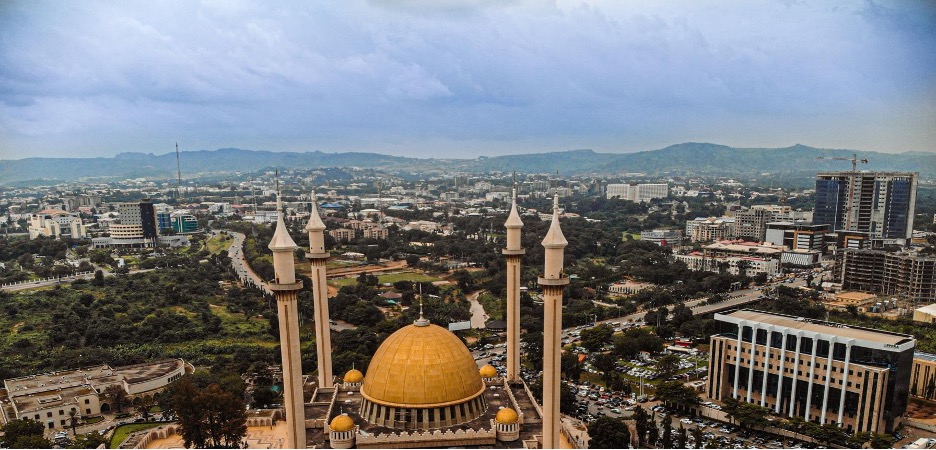
Abuja
3
Largest Commercial Centre
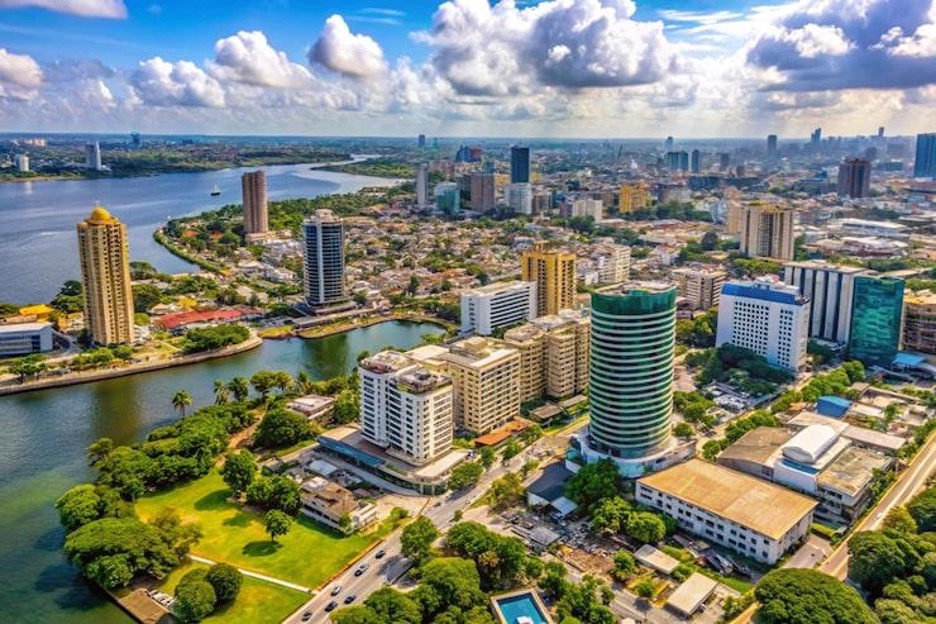
Lagos
4
Independence Day
1 October 1960
5
Republic Day
1 October 1963
6
Government
Federal Presidential Republic
7
Official Language
English
8
Major Indigenous Languages
Hausa, Yoruba and Igbo
9
Currency
Nigerian Naira (NGN, ₦)
10
International Dialling Code
+234
11
Time Zone
West Africa Time (UTC+1)
12
National Motto
Unity and Faith, Peace and Progress
13
National Colours
Green and White
14
Driving
Right-hand side of the road
15
Internet Country Code
ng
3. Geography and Climate
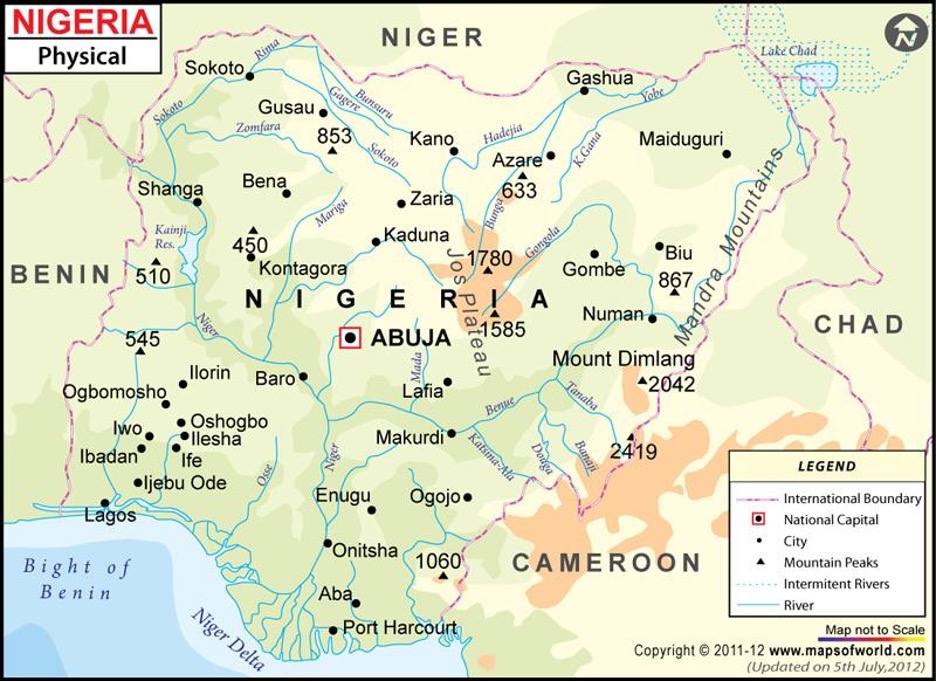
Nigeria is located in West Africa and shares land borders with the Republic of Benin to the west, Niger to the north, Chad to the northeast, and Cameroon to the east. To the south, Nigeria has a coastline along the Gulf of Guinea in the Atlantic Ocean.
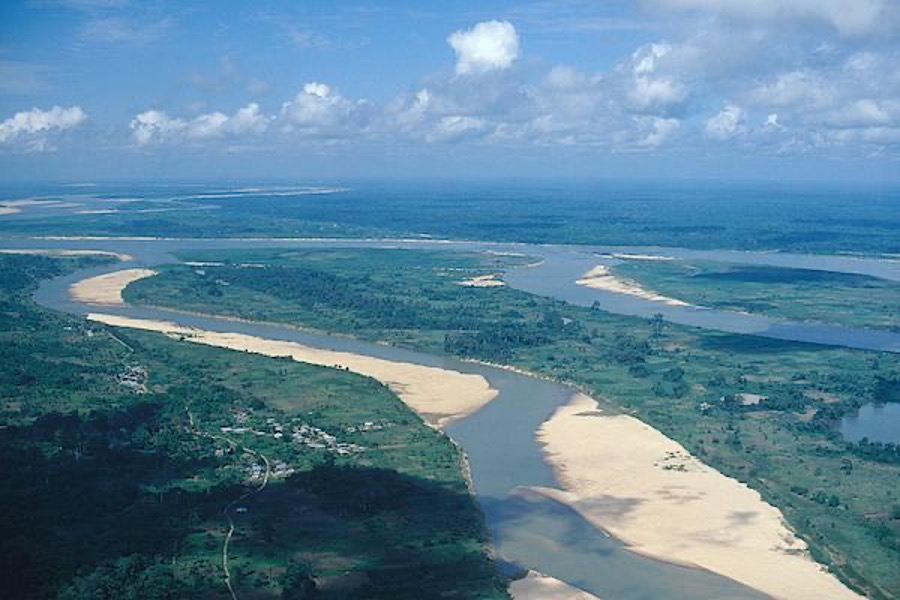
Its geography includes coastal mangroves, tropical rainforests, savannah grasslands, river valleys, plateaus, and semi-arid landscapes.
The country experiences tropical climatic conditions, generally characterised by wet and dry seasons, with considerable regional variations.
Nigeria High Commission, Canberra
4. Government and Administration
Nigeria operates a federal presidential system of government with three arms: the Executive, Legislature, and Judiciary.
The country comprises 36 states and the Federal Capital Territory, Abuja. Government administration operates at federal, state, and local levels.
Executive
Led by the President, who serves as Head of State and Head of Government.
Legislature
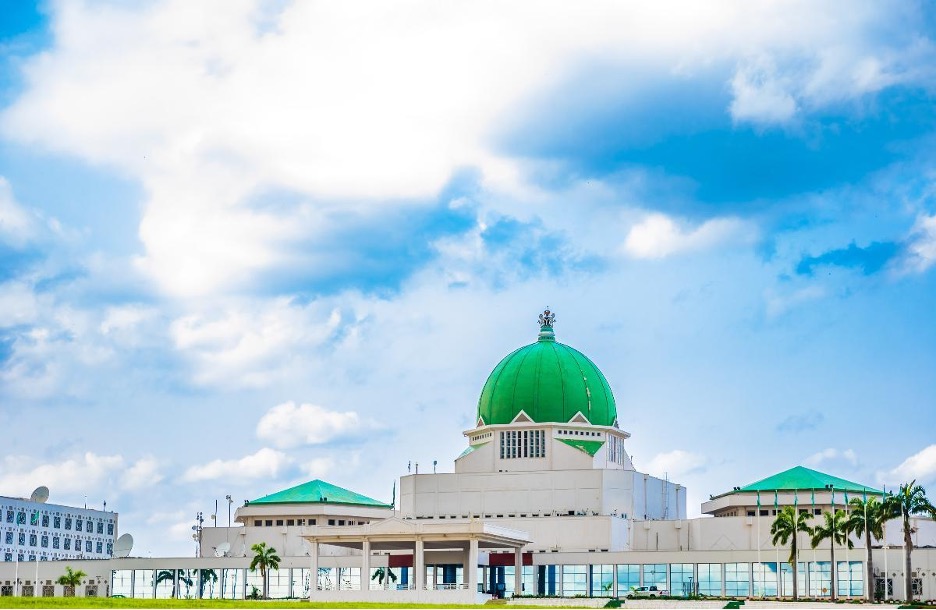
The bicameral National Assembly consists of the Senate and House of Representatives.
Judiciary
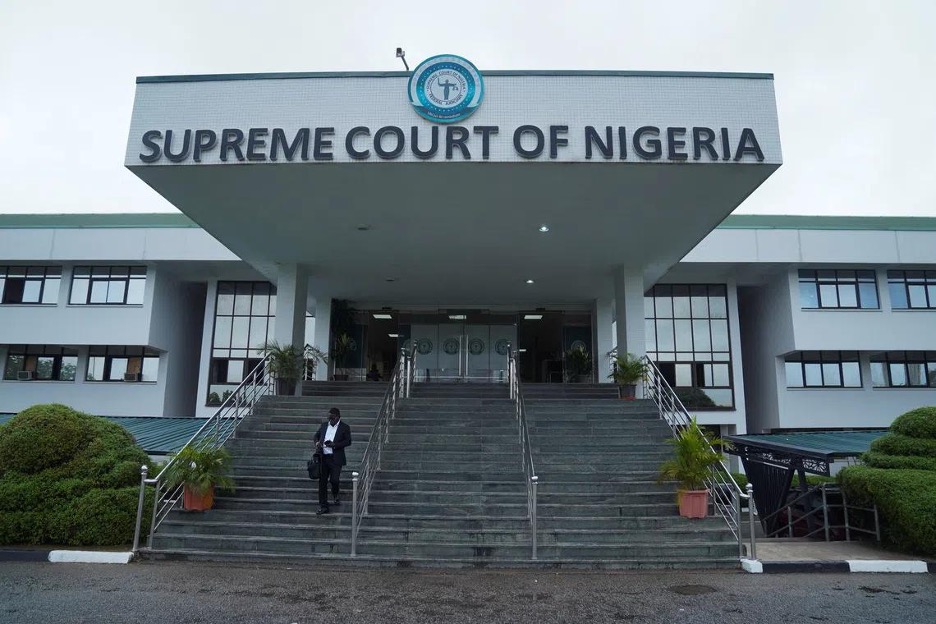
The Supreme Court is the highest court in Nigeria’s judicial system.
Executive
Led by the President, who serves as Head of State and Head of Government.
Legislature
The bicameral National Assembly consists of the Senate and House of Representatives.
Judiciary
The Supreme Court is the highest court in Nigeria’s judicial system.
5. Economy and Major Industries
Nigeria has a diverse economy with activities spanning energy, agriculture, manufacturing, financial services, telecommunications, technology, trade, and the creative industries.
Selected economic indicators — World Bank, 2025
$290.8B
GDP (current US$)
4.0%
Real GDP Growth
$1,224
GDP Per Capita
Figures are rounded and based on the World Bank’s published 2025 series.
Oil and Gas
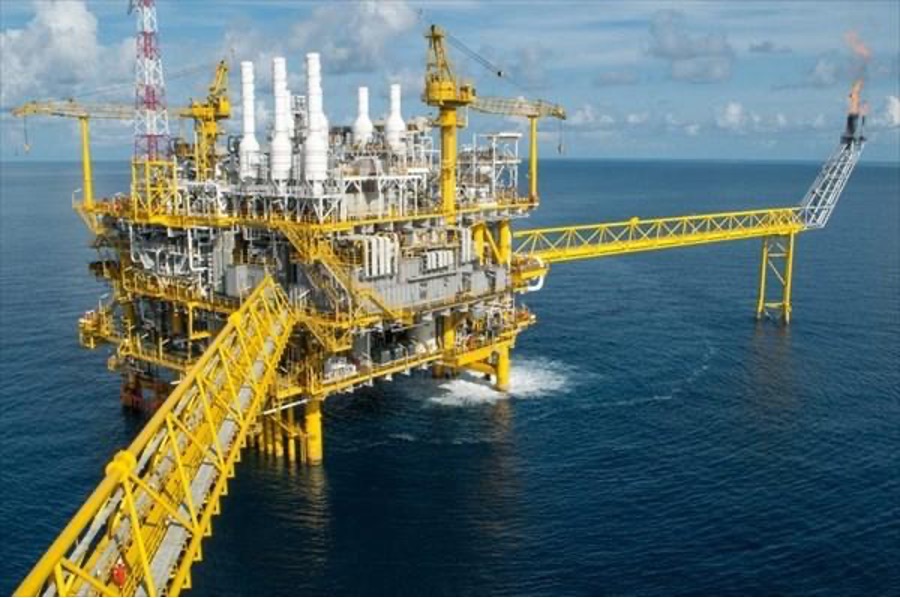
Crude oil, natural gas, petrochemicals and energy services.
Agriculture
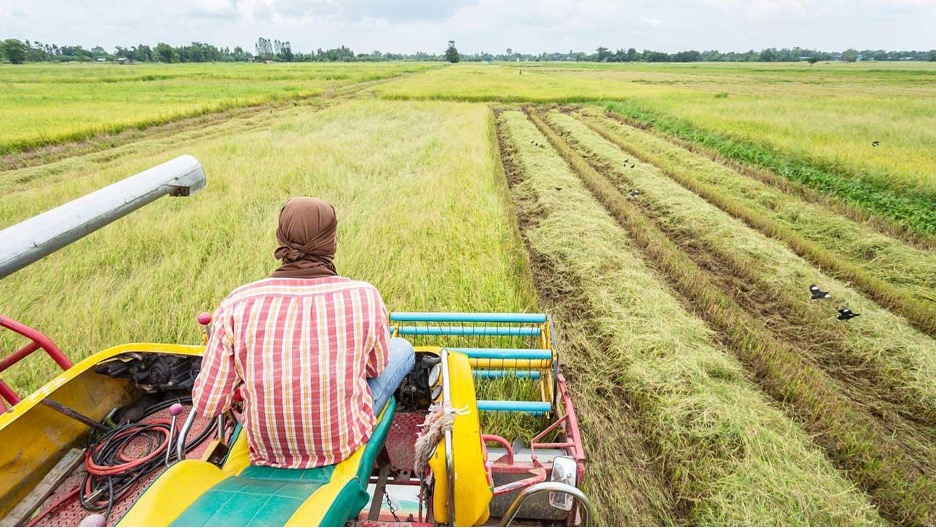
Cassava, cocoa, rice, maize, yam, sesame and livestock.
Technology and Finance
Fintech, digital services, telecommunications and software.
Manufacturing
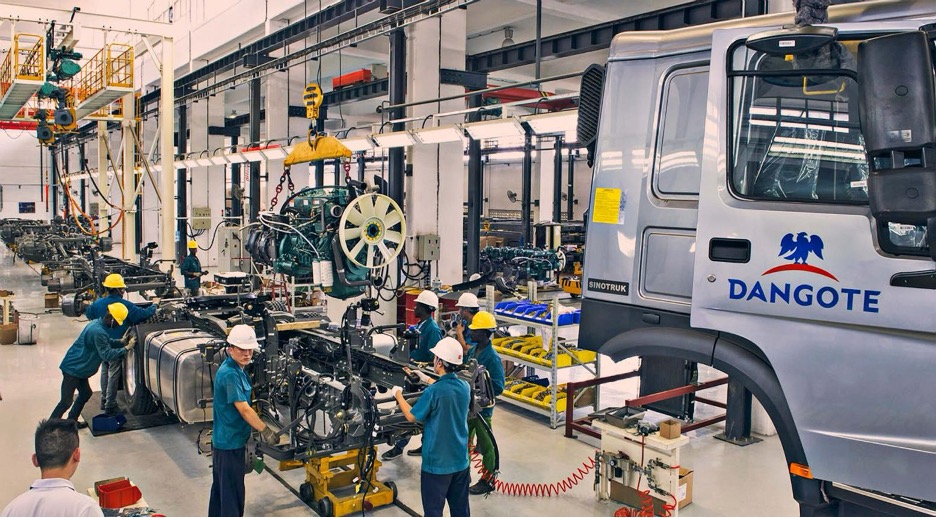
Cement, food processing, textiles, consumer goods and pharmaceuticals.
6. Natural Resources
Nigeria possesses a wide variety of mineral and energy resources distributed across different regions.
Major resources include petroleum, natural gas, limestone, gold, iron ore, coal, bitumen, tin, lead, zinc, and lithium-bearing minerals.
The country also has significant agricultural land and water resources that support farming, fisheries, and related industries.
7. Culture, Languages and Heritage
Executive
Led by the President, who serves as Head of State and Head of Government.
Legislature
The bicameral National Assembly consists of the Senate and House of Representatives.
Judiciary
The Supreme Court is the highest court in Nigeria’s judicial system.
Executive
Led by the President, who serves as Head of State and Head of Government.
Legislature
The bicameral National Assembly consists of the Senate and House of Representatives.
Judiciary
The Supreme Court is the highest court in Nigeria’s judicial system.
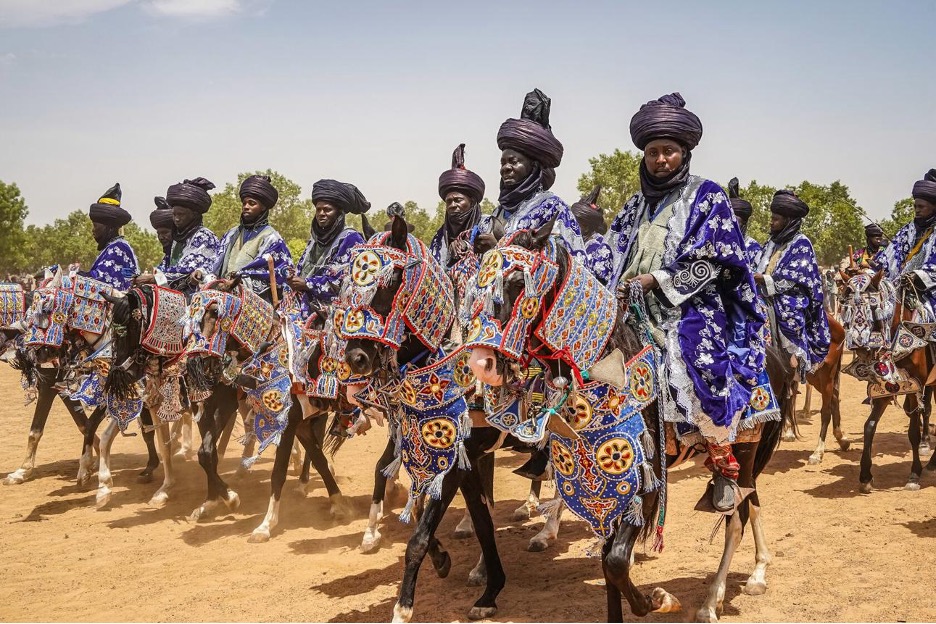
Nigeria is home to more than 250 ethnic groups, each contributing to the country’s rich cultural heritage.
English is the official language, while Hausa, Yoruba, and Igbo are among the most widely spoken indigenous languages. Hundreds of other languages are spoken across the country.
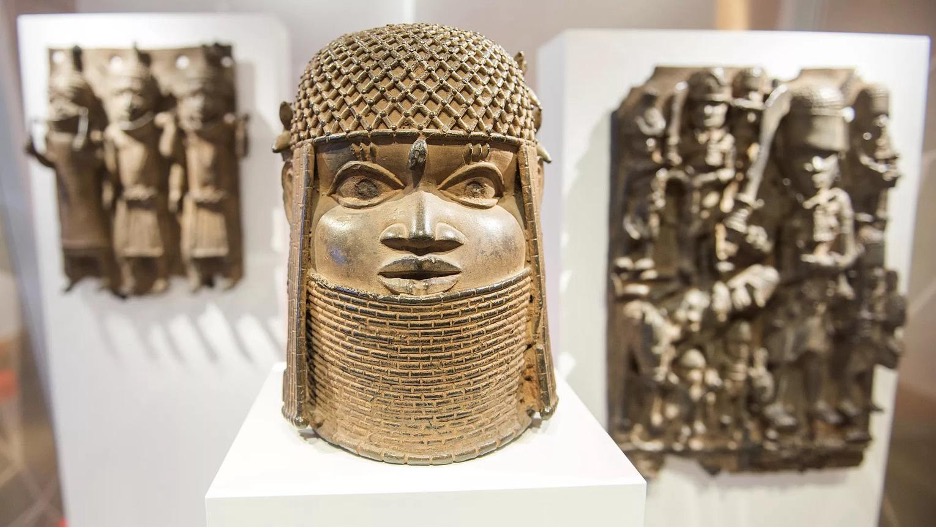
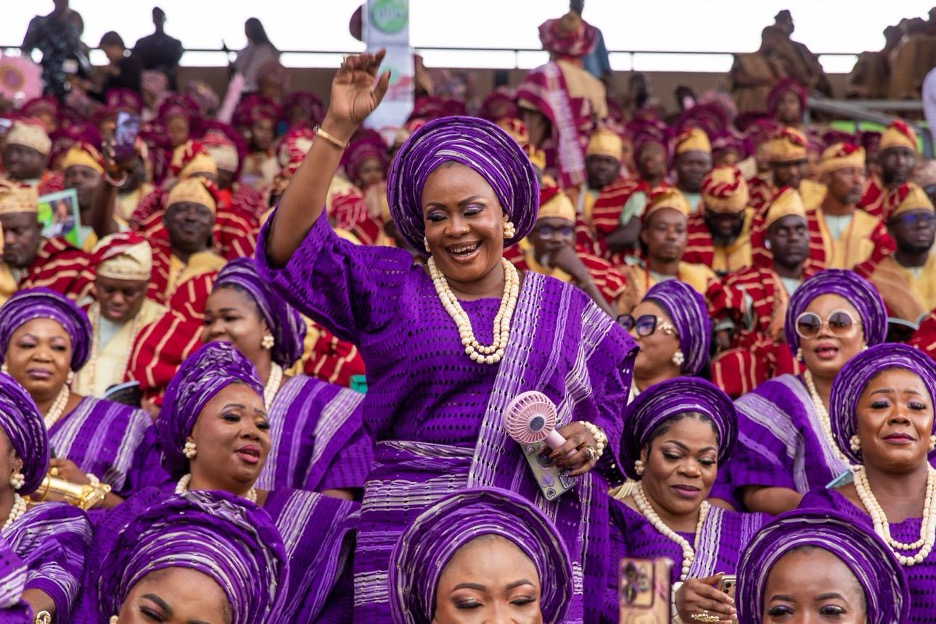
Nigerian cultural expression is reflected in its music, fashion, cuisine, literature, festivals, visual arts, and cinema.
Nigeria’s creative industries, particularly Nollywood and Afrobeats, have attracted international audiences and contributed to the country’s global cultural presence.
8. Tourism and Heritage Sites
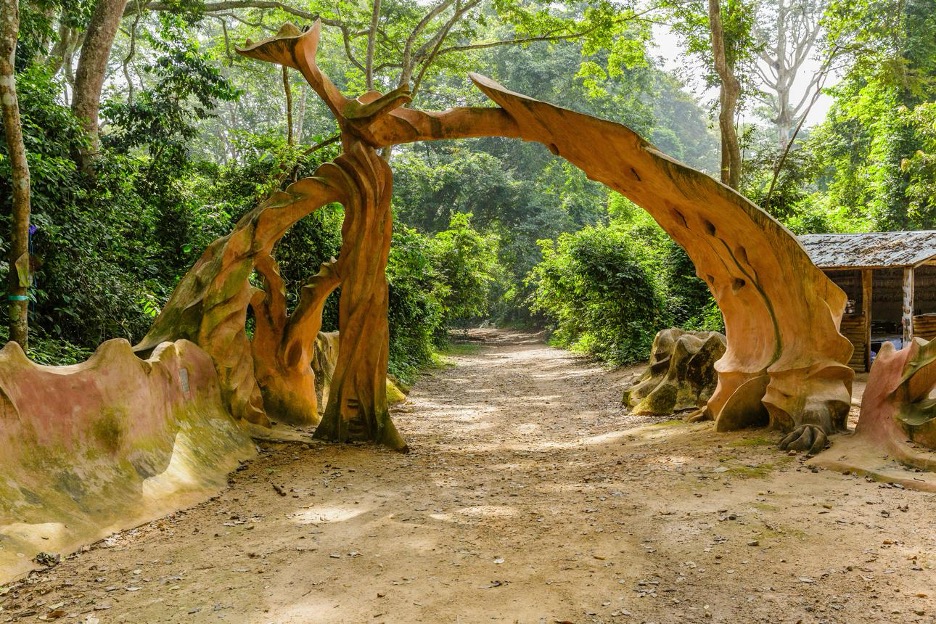
Osun-Osogbo Sacred Grove
A UNESCO World Heritage Site recognised in 2005, known for its sacred forest, shrines and Yoruba cultural heritage.
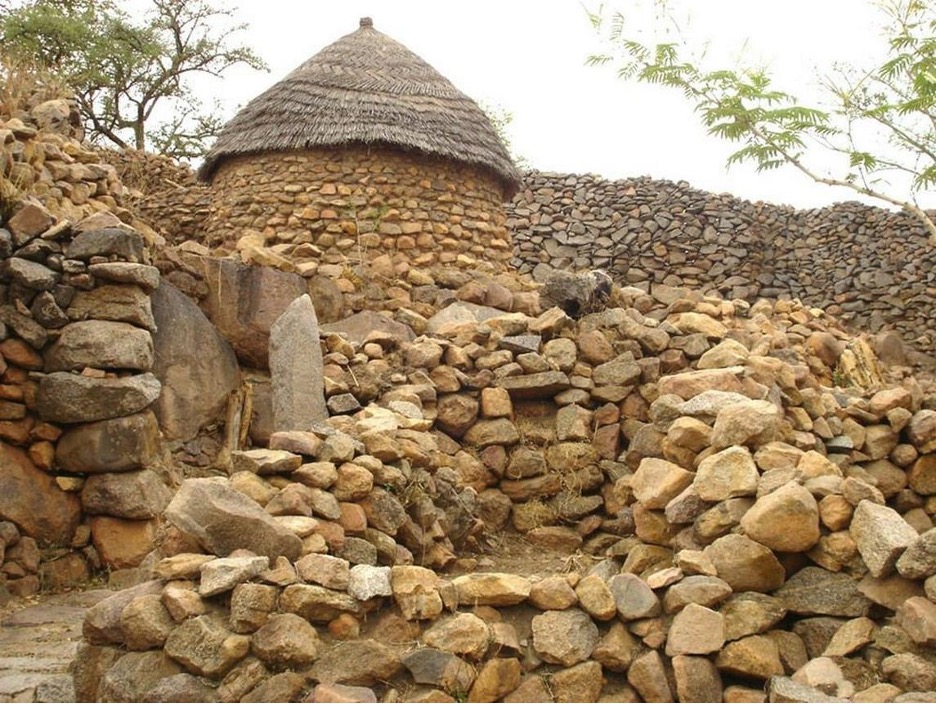
Sukur Cultural Landscape
Inscribed on the UNESCO World Heritage List in 1999, featuring traditional settlements and agricultural terraces.
Osun-Osogbo Sacred Grove
A UNESCO World Heritage Site recognised in 2005, known for its sacred forest, shrines and Yoruba cultural heritage.
Sukur Cultural Landscape
Inscribed on the UNESCO World Heritage List in 1999, featuring traditional settlements and agricultural terraces.
Nigeria has two UNESCO World Heritage Sites as of October 2026.
UNESCO World Heritage Convention
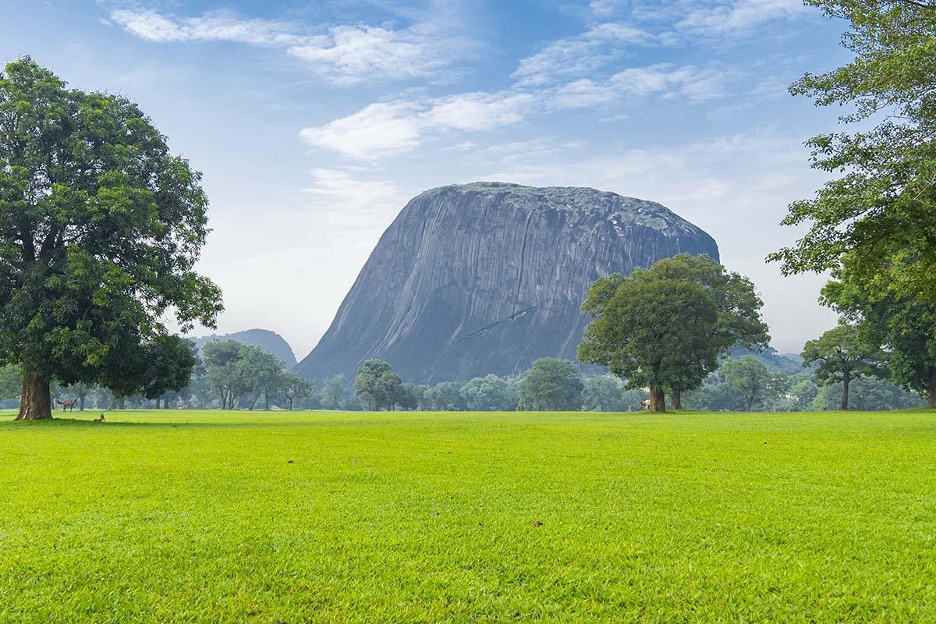
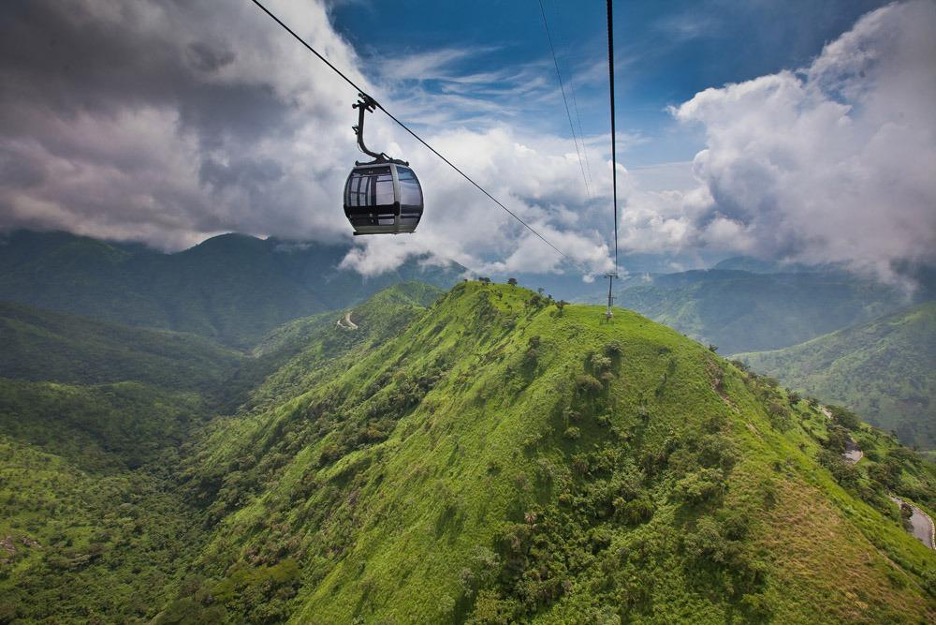
Other notable attractions include Zuma Rock, Obudu Mountain Resort, and Lekki Conservation Centre.
9. Nigeria and the International Community
Nigeria has played an active role in international diplomacy since independence.
It became a member of the United Nations on 7 October 1960 and participates in major regional and international institutions, including the African Union, Economic Community of West African States (ECOWAS), Commonwealth of Nations, Organisation of Islamic Cooperation, and Organization of the Petroleum Exporting Countries (OPEC).
Nigeria also maintains extensive diplomatic relations with countries around the world, including the People’s Republic of China.
10. Nigeria–China Facts
To make the page particularly relevant to Chinese visitors, I recommend a dedicated section presenting essential facts about bilateral relations.
1971
Diplomatic relations established
55 Years
Bilateral relations in 2026
2024
Comprehensive Strategic Partnership
Beijing
Location of Nigeria’s Embassy in China
Nigeria and China cooperate in trade, investment, infrastructure, education, technology, agriculture, manufacturing, and cultural exchange.